
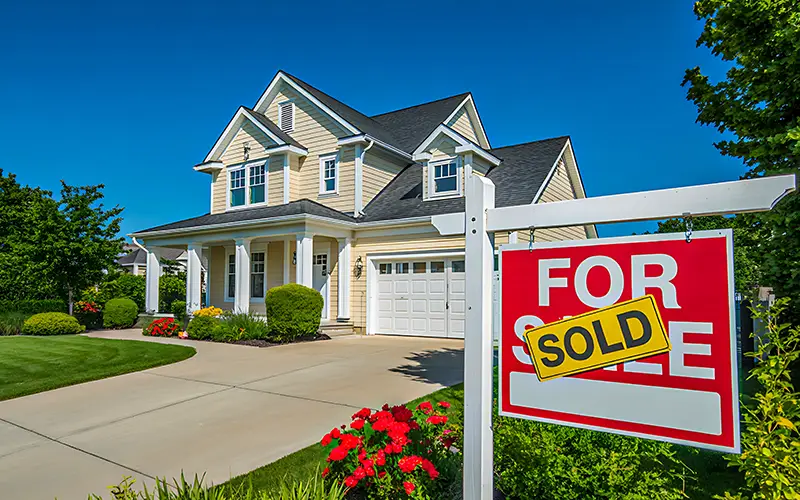
An HOA capitalization fee can help an association build its financial resources. Understanding the purpose of this fee will allow homeowners to appreciate its value and keep board members accountable. For the board, it is important to determine if the association has the authority to charge this fee in the first place.
What is an HOA Capitalization Fee?
An HOA capitalization fee is a fee that a homeowners association charges when a property is sold or transferred to a new owner. In general, the objective of the fee is to provide the association with additional working capital or funding for long-term community needs.
Other terms for this include capital contribution, working capital fee, initiation fee, transfer fee, and capital improvement fee. Associations must check their state laws and governing documents to determine the exact terminology, when to charge the fee, and how the money should be used.
Who Pays the HOA Capitalization Fee?
Typically, the buyer of the home pays the capitalization fee. That said, the exact wording of the purchase agreement or the association’s governing documents can say otherwise.
Purpose of the HOA Capitalization Fee
An HOA capitalization fee can serve several purposes. The specific uses will depend on state laws and the association’s governing documents.
That said, here are the most common purposes of the fee.
1. Build the Association’s Funds
A capitalization fee gives the association additional funds when a property changes ownership. This can provide working capital for the association and help it meet its financial obligations.
2. Strengthen Reserves
Some associations deposit capitalization fees into their reserve funds. Reserves help pay for major future expenses, such as roof replacements, road repairs, clubhouse renovations, and other significant projects.
3. Fund Capital Projects
An association may use these funds for improvements that add value to or extend the useful life of common areas. Examples include renovating a clubhouse, installing new amenities, or replacing major infrastructure.
4. Cover New Owner Costs
A property transfer can incur administrative expenses for an HOA. For example, the association may need to update ownership records, prepare documents, process the transfer, or provide information to the buyer. The fee helps cover these costs.
5. Reduce Financial Burden on Existing Owners
An HOA capitalization fee can provide the association with an additional source of revenue. This may help prevent existing homeowners from bearing all the costs of running the community.
HOA Capital Contribution Fees vs Regular Dues vs Special Assessments
While capital contributions, regular dues, and special assessments are all sources of revenue, they serve different purposes.
- Capital Contribution Fees. These are one-time fees that an HOA charges upon the sale or transfer of a home or unit. They help establish working capital, fund improvements, or strengthen reserves.
- Regular Dues. These are recurring fees that homeowners pay monthly, quarterly, or annually. They cover the association’s operating expenses, such as landscaping, maintenance, and insurance.
- Special Assessments. These are additional charges that an HOA imposes when it needs money beyond the operating budget. For example, an association might levy a special assessment if the roof unexpectedly needs repairs after a storm.
How Much are HOA Capital Improvement Fees?
There is no universal amount for an HOA capital improvement fee. It can generally vary from one community to another.
Some associations charge a flat fee, while others collect a percentage of the sale price or the owner’s regular dues. For example, if the home’s sale price is $300,000 and the capital contribution percentage is 1%, the fee would be $3,000.
Ultimately, it will depend on the association’s governing documents, specifically the CC&Rs and bylaws. Board members must review these documents before making any charges.
What are Capital Improvements?
In general, a capital improvement is classified as a significant improvement, addition, or replacement that increases the property’s value, extends its useful life, or adapts it to a new use.
The distinction between a capital improvement and an ordinary repair can depend on the circumstances. The IRS, for example, generally treats improvements as additions or partial replacements that better, restore, or adapt property to a new or different use.
Capital Improvements Examples
Here is an example of an IRS list of capital improvements:
- Adding a building or structure
- Replacing an entire roof
- Paving roads or driveways
- Installing or replacing central air conditioning
- Rewiring
- Installing new plumbing
- Adding sidewalks
- Installing fences
- Building or renovating a swimming pool
- Installing a new sprinkler system
- Adding a clubhouse
- Constructing a playground
- Adding recreational facilities
- Replacing major building systems
- Installing new security systems
- Constructing or improving community infrastructure
- Adding new amenities
Not every repair or maintenance project will qualify as a capital improvement. When in doubt, it is best to consult an experienced professional or accountant.
What Happens if You Don’t Pay the HOA Working Capital Fee?
Everyone knows that failing to pay regular dues or special assessments can result in a number of unsavory consequences. Does the same apply to nonpayment of the HOA capitalization fee?
If the fee is authorized by state law and the governing documents, a buyer who refuses to pay may face penalties. For one thing, the association may tag the unpaid amount as a debt to the HOA. This means the board can pursue collection through permitted procedures, including hiring a collection agency or taking legal action.
Depending on what’s allowed, the unpaid HOA capitalization fee can also earn interest, incur late fees, and accrue other collection costs. In some cases, it can even result in a lien against the property. From there, foreclosure may be an option for the HOA.
Additionally, capital contribution fees are often collected as part of the property sale. This means that an unpaid fee could delay the closing or transfer process of the home or unit.
Buyers and sellers, of course, may dispute the fee, but only if they have the grounds to do so. Challenging the fee in court can be a lengthy and costly process. Plus, if the HOA has the authority, it is unlikely that the buyer/seller will win the case.
Tread Cautiously
An HOA capitalization fee can provide an association with an additional source of funding upon the transfer or sale of a property. That said, not all communities have the authority to charge this fee. Boards should review their state laws and governing documents before proceeding, or risk legal penalties.
Westward360 is a trusted partner for HOAs and condo associations across the United States. To get started on expert association management, contact us today or request a proposal online!