
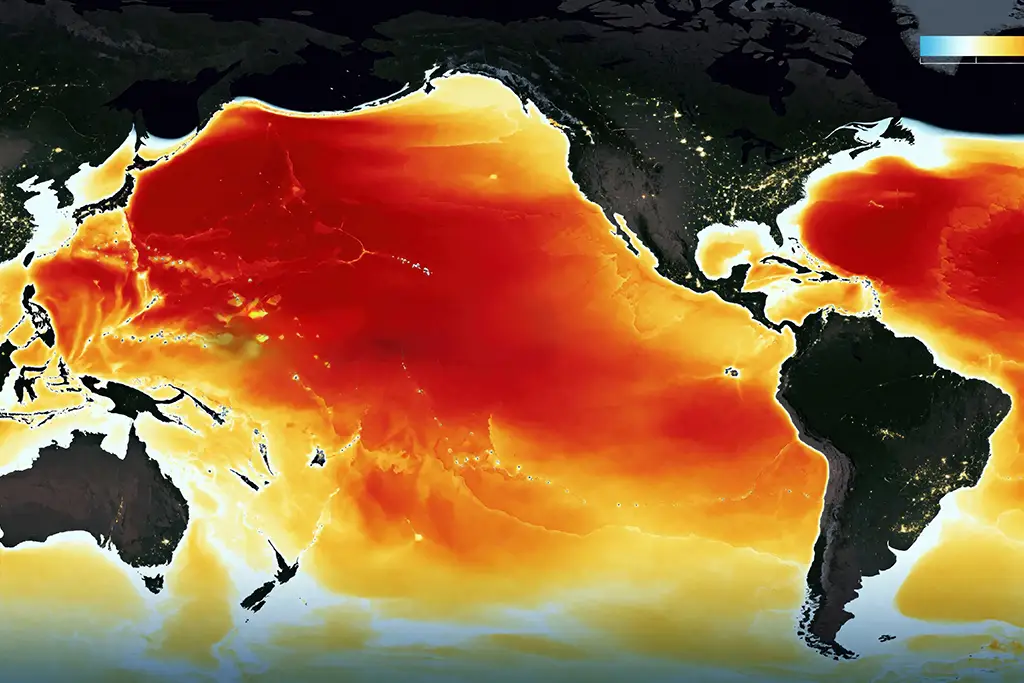
With the cold season coming, HOA winter preparation becomes a priority. Due to the forecasted Super El Niño in Colorado, board members must adjust their typical routine to accommodate the shift. These adjustments can help ensure that the community and its residents are ready for what’s ahead.
How Super El Niño in Colorado Affects HOA Winter Preparation
The National Oceanic and Atmospheric Administration (NOAA) predicts a record-setting Super El Niño in the United States this year. With this, shifting weather patterns are on the horizon for Colorado in the coming months.
While lead meteorologist Scott Handel emphasized that “no two El Niños are exactly the same,” there are some assumptions that can be made based on past El Niño events. An active winter is expected in Colorado, but a major snow season is not guaranteed. Historically, above-average snowfall takes place in the mountains, especially the San Juan Mountains.
The Front Range, on the other hand, may experience an increase in snowfall due to the large spring storms that El Niño can bring, but it is uncertain. If the subtropical jet stream moves north, Colorado could see a very wet winter. Conversely, if it remains south, the state may have a much less snowy season.
In lower elevations, warmer temperatures could reduce snowfall. These areas may experience rain instead, but nothing is definite.
Moreover, experts predict that winter may begin late but progress in activity later. Climate models point toward a busy mid-to-late winter, even extending to the spring season.
How to Winterize HOA Community
Given the variability that an El Niño Colorado winter brings, HOAs and condominiums must prepare for every possibility. In general, here are the best strategies for HOA winter preparation, as supplemented by Colorado’s own hazard-planning guidance.
1. Inspect Roofs and Drainage Systems
Before winter comes, boards should hire a professional to inspect the association’s roofs and drainage systems. For HOAs, the focus is more on association-managed properties, such as clubhouses, fitness centers, and other facilities. For condominiums and townhomes, there are more shared roofs and drainage systems to worry about.
Inspection items should include roofs, gutters, downspouts, drainage, foundations, and other exterior components. Check ice dam-prone areas, identify and seal potential leaks, and look for signs of previous water intrusion. Address areas where snow tends to accumulate.
2. Prepare for Both Snow and Ice
A big part of HOA winter preparedness should address snow and ice. While snow is a variable with Super El Niño, it still helps to have a written plan for snow plowing, sidewalk clearing, deicing, and ice monitoring. Boards must also consider emergency access, fire-lane access, entryways, stairs, and parking lots.
3. Check Heating Systems Before Temperatures Drop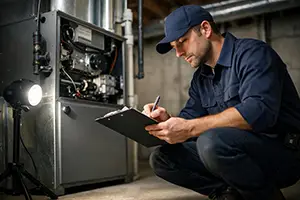
Communities with shared heating systems must prioritize maintenance and winterization. Furnaces, boilers, heating equipment, ventilation systems, and other components must undergo thorough inspection before the cold season.
The association should identify emergency heating procedures, equipment with a history of failure, and areas that are more prone to freezing. It is also essential to have backup power available at all times. Other than that, should systems fail, the board must have a provider for after-hours service.
4. Protect Pipes and Water Systems
When it comes to HOA winter preparation, frozen and burst pipes should always be part of the list. Exposed pipes are more likely to freeze and burst, so inspection and winterization are essential. Make sure to properly insulate these pipes and seal any drafts around the areas where the pipes sit. In case of a burst pipe, board members must know where the shutoff valves are located.
5. Review Snow Removal Contracts Now
Some associations wait until the first storm to check their snow removal contract, only to find that it doesn’t cover what the community needs. A big part of Colorado winter weather preparation is having a snow-removal vendor on standby at all times.
When reviewing the contract, make sure to check the trigger depth for service, response times, plowing and sidewalk responsibilities, deicing services, ice monitoring, snow relocation, emergency service, and communication procedures. If additional storms or services are required, the contract should also specify pricing models for them.
6. Inspect Trees and Landscaping
Snow, ice, and wind can cause branches to break off and trees to fall. These are clear safety hazards and can also damage private property. Proper HOA winter storm preparation includes inspecting trees that stand near buildings, sidewalks, parking areas, roads, utility lines, and community amenities.
If there are hazardous or diseased branches, make sure to prune them before the winter season. Board members can’t do this alone, not without the right expertise and equipment, so hiring a professional is necessary.
7. Check Emergency Supplies and Procedures
Every HOA winter emergency plan should include well-stocked supplies, clear procedures, and a list of important contacts. The association should regularly update contact information for its providers, including the management company, the snow contractor, plumbers, the HVAC contractor, electricians, the roofing contractor, tree service, the insurance carrier, and emergency services. Emergency supplies must include ice melts, flashlights, batteries, and backup equipment.
8. Review Insurance and Deductibles
Insurance plays a significant role in winter, especially when emergencies arise. Boards should take a good look at the association’s master insurance policy, particularly property coverage, general liability coverage, deductibles, and exclusions.
Some policies have separate wind or hail deductibles, while others also cover water damage claims. Reviewing insurance helps determine what the HOA is responsible for and what owners are responsible for. It also allows the board to get a grasp of the claims filing process.
9. Review the Reserve Fund Before Winter
The HOA’s reserve fund can come in handy when winter storms cause costly repairs. Roofs, drainage systems, sidewalks, heating systems, pavements, and other exterior components are most likely to experience damage. Boards must ensure the association has sufficient reserves to cover repairs or replacements if insurance coverage is inadequate.
10. Prepare for Unusual Temperature Swings
Super El Niño comes with unusual temperature swings. Because of this, HOAs and condos in Colorado must prepare for an ongoing rotation of snow, melting, refreezing, ice, and additional snow. A wet winter brings slippery walkways, drainage issues, roof leaks, ice dams, and damage from the freeze-thaw cycle.
11. Communicate Responsibilities to Homeowners
While the association is responsible for shared areas and common elements, it is not responsible for individual homes or units. Of course, that doesn’t mean the board must remain idle.
To prepare the whole community, boards should remind owners of their winter maintenance obligations. Even a simple notice works. This notice can include tips for winterization, instructions on how to report leaks or frozen pipes, and directions for emergency requests.
HOA Winter Maintenance Checklist
Here is a quick rundown of the tasks involved in HOA winter preparation:
- Inspect roofs, gutters, drains, and exterior building components
- Inspect heating systems and vulnerable plumbing
- Confirm snow and ice removal contracts
- Identify snow storage and emergency access areas
- Inspect trees near buildings, roads, and utilities
- Stock winter maintenance and emergency supplies
- Review insurance policies and deductibles
- Review reserve funding for components
- Document known deficiencies before the season begins
- Create procedures for frozen pipes, roof leaks, heating failures, and storm damage
- Confirm contractor and emergency contact information
- Tell homeowners what the association maintains and what owners are responsible for
An Uncertain Season
In Colorado, the forecasted Super El Niño has made it difficult for boards to plan for the winter season. With several variables at play, HOA winter preparation must account for every possibility. Dry snow is not a guarantee, and a more active freeze-thaw cycle may result in greater damage and more safety hazards. When in doubt, a professional HOA management company can help.
Westward360 is a trusted partner for HOAs and condo associations across the United States, including Colorado. To get started on expert association management, contact us today or request a proposal online!