
If HOA Has IRS Debt, Who’s At Fault?

HOA IRS debt can result from unpaid taxes, late tax returns, penalties, interest, or reporting errors. The association itself generally owes the IRS when taxes are due. That said, the question of who caused the debt can be more complicated.


How Does an HOA IRS Debt Happen?

Homeowners associations and condominiums are no strangers to debt. These communities can incur debt to vendors, banks, and even the government. When it comes to taxes, HOA IRS debt is a common topic of discussion.

An HOA can owe the IRS for several reasons, including but not limited to:

  • Failure to file required federal tax returns
  • Filing tax returns late
  • Underpaying federal income taxes
  • Failing to pay taxes by the applicable deadline
  • Incorrectly calculating taxable income
  • Misclassifying income as exempt
  • Failing to report certain income
  • Failing to make required estimated tax payments
  • Payroll tax problems if the HOA has employees
  • Penalties and interest accumulating on an underlying tax liability


Is an HOA Required to Pay Income Taxes?

In general, HOAs and condo associations must pay federal income tax and file tax returns. While often organized as nonprofit corporations, these associations are not classified as tax-exempt entities under the IRS.

That said, some HOAs can fall under Internal Revenue Code Section 528. This provides special federal tax treatment for qualifying associations. To qualify, an association must meet specific requirements and make the appropriate election.


Who is Legally Responsible for HOA Debt to the IRS?hoa debt to irs

The HOA tax liability generally belongs to the association itself. An HOA is a separate legal entity, which means its tax obligations don’t transfer to homeowners as personal debts.

That said, it is often difficult to point the finger at a faceless corporation. The HOA may have a claim against a board member, a management company, or an accountant if they were responsible for the tax filings.


Who’s at Fault if the HOA Never Filed a Tax Return?

When an HOA IRS debt results from years of missing tax returns, the board should first determine who was responsible for preparing and filing those returns. The answer can depend on the association’s governing documents, board resolutions, management agreement, and contracts with accountants or other professionals.


HOA Board

In general, the HOA board is responsible for overseeing the association’s financial and legal obligations. This includes tax filing and payment.

Board members don’t necessarily have to prepare the tax return by themselves. In fact, many hire outside professionals for the job. Of course, even then, the board has a duty to reasonably monitor the work and ensure that the HOA is in the clear.

The issue is whether the board knew or should have known about the tax obligation. If they did and failed to take action, they may be at fault.


HOA Management Company

Some communities delegate most of their administrative, financial, and legal responsibilities to an HOA management company. Whether or not this company is obligated to file tax returns and pay taxes on behalf of the HOA depends on the management contract.

If the management contract specifically includes tax filings and payments in its scope of work, then the company may be liable for missed deadlines. Boards must review the contract to understand what is required of the company and what remedies are in order. The HOA may potentially have a claim of negligence or breach of contract.


Accountant

An accountant might shoulder the blame if the HOA hired them to prepare and file the tax return and they failed to do so. Of course, simply hiring an accountant doesn’t automatically transfer the responsibility to them. The service agreement must clearly state the accountant’s obligations.

It is also important to determine whether the accountant actually had the authority to file the return. An accountant may prepare the document, but the association might be responsible for approving, signing, submitting, or paying it.


Are Board Members Personally Liable for HOA Tax Penalties?

Generally, board members are not personally liable for the HOA’s tax debt or related penalties simply because they serve on the board. This means that an HOA tax delinquency doesn’t automatically become the personal debt of every director.

Of course, there is an important distinction. A board member who wasn’t involved or didn’t contribute to the tax problem shouldn’t get the same treatment as a board member who knowingly failed to file a return or pay taxes.

Personal liability can also depend on state law, the association’s corporate structure, and the specific conduct involved. When in doubt, it is best to consult a professional.


What Happens When an HOA Doesn’t Pay the IRS?

When an HOA owes debt to the IRS, the balance can continue to grow through penalties and interest. The IRS will usually send notices demanding payment and explaining the amount owed. If the association ignores these, the IRS may take more serious action.

Eventually, the IRS might pursue collection using federal tax liens or levies. A tax lien can affect the association’s property interests, while a levy can allow the IRS to seize the association’s property or funds to settle the debt.

Additionally, unpaid taxes can place pressure on the association’s budget. Instead of allocating certain funds to necessary expenses, such as maintenance or insurance, the HOA board would need to use them to satisfy the HOA’s IRS debt. Worse yet, the board may have to raise dues to meet all obligations simultaneously.


Can the HOA Make Homeowners Pay the IRS Debt?

When an HOA owes a debt to the IRS, it typically uses its operating budget to cover it. This means that homeowners indirectly pay the debt.

Of course, since the IRS debt isn’t a recurring expense, it will likely cause dues to increase for the time being — at least until the debt is paid off. It is important for the HOA board to explain the reason behind the increase to minimize pushback from homeowners. Moreover, associations must operate transparently.


How to Correct HOA IRS Debthoa owes debt to irs

If an HOA discovers it owes the IRS, it must address the issue as soon as possible. The following steps can help the association determine what happened and resolve the debt:

  1. Determine exactly how much the association owes the IRS.
  2. Identify the missing or incorrect tax filings.
  3. Determine whether the HOA actually owes the underlying tax.
  4. Calculate penalties and interest.
  5. Identify who was responsible for filing and paying.
  6. Consult a qualified HOA tax professional or tax attorney.
  7. File any delinquent returns.
  8. Explore penalty abatement (if available).
  9. Arrange payment or another resolution with the IRS.
  10. Determine whether the association has a claim against a responsible vendor or professional.

Furthermore, the HOA should improve its internal controls to ensure it doesn’t miss a tax deadline again. Even something as simple as setting a calendar reminder can help with compliance.


When All’s Said and Done

An HOA IRS debt can feel overwhelming, especially when board members don’t know how to resolve it. Personal liability isn’t always on the table. The HOA board should, instead, focus on addressing the issue and establishing procedures to prevent it from happening again.

Westward360 is a trusted partner for HOAs and condo associations across the United States. To get started on expert association management, contact us today or request a proposal online!



What Is The HOA Capitalization Fee? Where Is It Used?

An HOA capitalization fee can help an association build its financial resources. Understanding the purpose of this fee will allow homeowners to appreciate its value and keep board members accountable. For the board, it is important to determine if the association has the authority to charge this fee in the first place.


What is an HOA Capitalization Fee?

An HOA capitalization fee is a fee that a homeowners association charges when a property is sold or transferred to a new owner. In general, the objective of the fee is to provide the association with additional working capital or funding for long-term community needs.

Other terms for this include capital contribution, working capital fee, initiation fee, transfer fee, and capital improvement fee. Associations must check their state laws and governing documents to determine the exact terminology, when to charge the fee, and how the money should be used.


Who Pays the HOA Capitalization Fee?

Typically, the buyer of the home pays the capitalization fee. That said, the exact wording of the purchase agreement or the association’s governing documents can say otherwise.


Purpose of the HOA Capitalization Fee

An HOA capitalization fee can serve several purposes. The specific uses will depend on state laws and the association’s governing documents.

That said, here are the most common purposes of the fee.


1. Build the Association’s Funds

A capitalization fee gives the association additional funds when a property changes ownership. This can provide working capital for the association and help it meet its financial obligations.


2. Strengthen Reserves

Some associations deposit capitalization fees into their reserve funds. Reserves help pay for major future expenses, such as roof replacements, road repairs, clubhouse renovations, and other significant projects.


3. Fund Capital Projects

An association may use these funds for improvements that add value to or extend the useful life of common areas. Examples include renovating a clubhouse, installing new amenities, or replacing major infrastructure.


4. Cover New Owner Costs

A property transfer can incur administrative expenses for an HOA. For example, the association may need to update ownership records, prepare documents, process the transfer, or provide information to the buyer. The fee helps cover these costs.


5. Reduce Financial Burden on Existing Ownerscapital improvements examples

An HOA capitalization fee can provide the association with an additional source of revenue. This may help prevent existing homeowners from bearing all the costs of running the community.


HOA Capital Contribution Fees vs Regular Dues vs Special Assessments

While capital contributions, regular dues, and special assessments are all sources of revenue, they serve different purposes.

  • Capital Contribution Fees. These are one-time fees that an HOA charges upon the sale or transfer of a home or unit. They help establish working capital, fund improvements, or strengthen reserves.
  • Regular Dues. These are recurring fees that homeowners pay monthly, quarterly, or annually. They cover the association’s operating expenses, such as landscaping, maintenance, and insurance.
  • Special Assessments. These are additional charges that an HOA imposes when it needs money beyond the operating budget. For example, an association might levy a special assessment if the roof unexpectedly needs repairs after a storm.


How Much are HOA Capital Improvement Fees?

There is no universal amount for an HOA capital improvement fee. It can generally vary from one community to another.

Some associations charge a flat fee, while others collect a percentage of the sale price or the owner’s regular dues. For example, if the home’s sale price is $300,000 and the capital contribution percentage is 1%, the fee would be $3,000.

Ultimately, it will depend on the association’s governing documents, specifically the CC&Rs and bylaws. Board members must review these documents before making any charges.


What are Capital Improvements?

In general, a capital improvement is classified as a significant improvement, addition, or replacement that increases the property’s value, extends its useful life, or adapts it to a new use.

The distinction between a capital improvement and an ordinary repair can depend on the circumstances. The IRS, for example, generally treats improvements as additions or partial replacements that better, restore, or adapt property to a new or different use.


Capital Improvements Examples

Here is an example of an IRS list of capital improvements:

  • Adding a building or structure
  • Replacing an entire roof
  • Paving roads or driveways
  • Installing or replacing central air conditioning
  • Rewiring
  • Installing new plumbing
  • Adding sidewalks
  • Installing fences
  • Building or renovating a swimming pool
  • Installing a new sprinkler system
  • Adding a clubhouse
  • Constructing a playground
  • Adding recreational facilities
  • Replacing major building systems
  • Installing new security systems
  • Constructing or improving community infrastructure
  • Adding new amenities

Not every repair or maintenance project will qualify as a capital improvement. When in doubt, it is best to consult an experienced professional or accountant.


What Happens if You Don’t Pay the HOA Working Capital Fee?what is considered capital improvements

Everyone knows that failing to pay regular dues or special assessments can result in a number of unsavory consequences. Does the same apply to nonpayment of the HOA capitalization fee?

If the fee is authorized by state law and the governing documents, a buyer who refuses to pay may face penalties. For one thing, the association may tag the unpaid amount as a debt to the HOA. This means the board can pursue collection through permitted procedures, including hiring a collection agency or taking legal action.

Depending on what’s allowed, the unpaid HOA capitalization fee can also earn interest, incur late fees, and accrue other collection costs. In some cases, it can even result in a lien against the property. From there, foreclosure may be an option for the HOA.

Additionally, capital contribution fees are often collected as part of the property sale. This means that an unpaid fee could delay the closing or transfer process of the home or unit.

Buyers and sellers, of course, may dispute the fee, but only if they have the grounds to do so. Challenging the fee in court can be a lengthy and costly process. Plus, if the HOA has the authority, it is unlikely that the buyer/seller will win the case.


Tread Cautiously

An HOA capitalization fee can provide an association with an additional source of funding upon the transfer or sale of a property. That said, not all communities have the authority to charge this fee. Boards should review their state laws and governing documents before proceeding, or risk legal penalties.

Westward360 is a trusted partner for HOAs and condo associations across the United States. To get started on expert association management, contact us today or request a proposal online!


Do HOA Fees Ever Go Down? The Causes Of Increase

Do HOA fees ever go down? This is a common question among residents of an HOA or condo community. As they see their fees continue to rise, they often wonder whether there are ways to lower their dues over time. The answer isn’t as simple.


Do HOA Fees Ever Go Down?

Homeowners associations and condominiums are known for collecting regular dues, which cover both operating and reserve expenses. Members of the association are obligated to pay their dues or risk facing certain consequences.

It’s normal for dues to increase over time as the economy fluctuates and expenses rise. That said, many homeowners wonder if dues ever go down.

In theory, it is possible to lower HOA or condo fees, but decreases are less common than increases. The HOA board may lower dues if expenses become cheaper or if the association’s financial position improves.

Here are some examples of when HOA fees may go down:

  • A major project or loan has been paid in full.
  • Insurance premiums decrease.
  • The association negotiates lower vendor rates.
  • Unnecessary expenses are eliminated.
  • Reserve funding reaches a healthy level.

Of course, board members should exercise caution. A budget surplus isn’t always a good enough reason to lower fees. Surpluses don’t last forever, and they may be necessary to ensure the community’s long-term financial stability.

More often than not, it’s best to keep dues at a stable rate rather than artificially lowering them. This helps the association continuously meet its financial obligations.


Common Causes of HOA Fee Increases

Some people don’t understand why dues go up in the first place. Education is critical, especially when the board constantly faces pushback from owners with the slightest of increases.

Here are the most common reasons HOA fees increase.


1. Rising Maintenance Costsdoes hoa ever go down

Maintenance is perhaps one of the largest expenses for any association. Everything from cleaning and landscaping to pest control and snow removal can fall under this category. When vendors raise their prices, associations must respond by raising dues.


2. Higher Insurance Premiums

Insurance premiums may increase due to higher construction costs, rising claims, or severe weather events. Associations may also need additional coverage or higher limits. All of these things can result in an increase in dues.


3. Underfunded Reserves

An association may raise its regular fees to build up its reserve fund. If the reserve study shows that the HOA’s savings aren’t enough, the board will have to make up for it by adjusting contributions.


4. Major Repairs

Sometimes, an association needs to collect additional dues to cover a major repair. Perhaps a roof collapsed due to a weather event, or the pool equipment failed. If insurance or reserves can’t cover the costs, the board needs to take it from the operating budget.


5. New Capital Projects or Improvements

A new amenity or a major renovation can also lead to higher dues. While often classified as non-urgent spending, these projects can enhance curb appeal, improve property values, and attract more buyers. Of course, they also need funding, which usually comes from dues.


6. Inflation

Inflation plays a significant role in calculating HOA dues. Even when the association’s services don’t change, inflation can increase its operating expenses.


7. Higher Utility Costs

Associations that pay for electricity, water, and gas might see significant increases when utility rates rise. This is particularly true for condominiums, where the association might pay for utilities for common areas or even for portions of individual units.


8. Increased Professional Fees

Many associations rely on accountants, engineers, lawyers, and HOA managers — and professional services don’t come free. When their rates rise, so do HOA dues.


9. Higher Delinquency Rates

A high delinquency rate means many homeowners are behind on their dues. When the association doesn’t collect enough revenue, its expenses can seem that much more inflated. As a result, the HOA raises dues or levies special assessments to cover the shortfall.


10. Deferred Maintenance

Delaying maintenance to keep dues seemingly low might win the popular vote, but it damages the association in the long run. Without regular maintenance, common elements and components will break down more quickly, resulting in costly repairs. These repairs, of course, are covered by HOA dues.


11. Unexpected Expenses

When unbudgeted costs arise, the association must find the funds to cover them. Oftentimes, this means tapping into a contingency fund or raising dues.


12. New Regulatory Requirements

Changes in federal or state laws can introduce more stringent requirements for associations, such as higher reserve contributions or stricter building codes. To comply with these standards, HOAs must increase dues to cover the related costs.


13. Aging Infrastructure

Older communities typically charge higher fees due to greater demand. These neighborhoods face aging infrastructure, outdated amenities, and equipment breakdowns, forcing boards to raise dues to keep up.


How Often Do HOA Fees Increase?

There is no universal schedule for HOA fee increases. An association may raise its dues annually, every few years, or only when the situation calls for it.

Typically, HOA boards review income from dues during the annual budgeting process. The board compares the projected revenue against anticipated expenses. From there, it determines whether current dues are enough to cover costs.

Fees tend to increase more frequently when an association faces rapidly rising costs, major repairs, inadequate reserves, or significant insurance premiums. That said, if expenses and reserves remain healthy, the board may not need to raise dues.


Is There a Limit to HOA Dues Increases?

Limitations on fee increases will depend on state laws and the governing documents. Some have percentage caps, while others require associations to seek membership approval for increases over a certain amount.

In Illinois, condominiums are subject to a similar statute. According to 765 ILCS 605/18, owners can challenge the board if the proposed budget would cause the total regular and special assessments in the fiscal year to exceed 115% of the total of the preceding year.

Now, this doesn’t necessarily mean that there’s a cap for Illinois condo associations. It merely gives owners a process by which they may attempt to reject the proposed budget. Under Illinois law, 20% of voting owners must petition the board within 21 days of the action to call a meeting at which they can vote to reject the proposal.


Is There a Way to get HOA Fees Lowered?how often do hoa fees increase

In general, homeowners can’t just demand that the HOA lower its fees. Associations have the authority to impose dues based on their financial needs and governing documents.

That said, owners can certainly challenge the board’s decision. As explained in the previous section, some states allow owners to vote against the proposed budget if they meet certain requirements and follow specific procedures.

Of course, simply challenging the budget without understanding it can be detrimental to the association’s fiscal health. Sometimes, dues are high for a reason. Expenses may be rising, economic changes may inflate costs, or reserves may be underfunded.

On the board’s part, it is important to look for alternatives when dues are getting too expensive. Owners are more likely to default on their dues if they can no longer afford to pay.

Here are some practical tips that boards can adopt to lower fees without compromising the community:

  • Review the association’s budget and identify areas where costs might be reduced.
  • Ask vendors to renegotiate contracts and look for opportunities for savings.
  • Delay or eliminate unnecessary spending.
  • Implement better preventive maintenance to avoid major repairs in the future.
  • Reevaluate the association’s insurance policies to reduce premiums.

Owners can take a more active role in the budget process by attending meetings, requesting to inspect records, and even running for a position on the board themselves.


FAQs

Will HOA Fees ever go down?

Yes, HOA fees can go down, but it is rare. The board may reduce fees when the association’s expenses decline or the economy improves. That said, most communities simply keep dues at a steady rate rather than lowering them.


Do HOA fees ever stop going up?

Yes, associations don’t have to keep raising dues when it’s not necessary. If the association’s income is sufficient to cover its projected expenses, the board might keep dues at the same level. Of course, this doesn’t mean that dues won’t ever go up again.


Do HOA fees go up every year?

There is no general rule that requires HOA fees to increase every year. Fees generally go up if the association’s financial needs warrant it. Boards determine how much they need to collect in owner dues by preparing an annual budget with anticipated expenses.


Does HOA ever go down?

Yes, an HOA can lower its regular dues when its financial circumstances allow it. For example, if the board renegotiates a lower vendor price, eliminates unnecessary spending, or fully pays off a debt, it may reduce fees.

It is highly dependent on the community’s financial situation. That said, other factors can also influence the rate. Associations in wealthier neighborhoods, such as Naperville, often have higher dues due to their more exclusive status and the associated costs.


Do HOA Fees Ever Go Down? Answered!

While some buyers view HOA fees as a disadvantage, in truth, they keep associations thriving. These fees cover day-to-day and long-term expenses that help maintain curb appeal and enhance property values.

Westward360 is a trusted partner for HOAs and condo associations across the United States. To get started on expert association management, contact us today or request a proposal online!
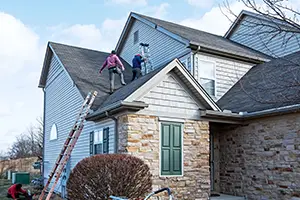

HOA Expenses: How To Reduce Without Cutting Essential Services

Incurring HOA expenses is a normal part of operating a community. Yet, when expenses become too high, it can be difficult for the association to remain financially healthy. Fortunately, there are strategies an HOA can implement to cut costs without sacrificing the community’s needs.


Common Reasons for Rising HOA Expenses

Homeowner associations collect revenue and incur expenses on a day-to-day basis. While HOA boards try to keep spending at a reasonable level, some expenses are outside their control.

That said, an increase in HOA operating expenses can have several possible causes. Let’s discuss the most common ones below.


1. Poor Budget Planningreduce hoa expenses

Board members are responsible for preparing the annual budget. This includes projecting operating expenses, such as maintenance, landscaping, insurance, and utilities. When boards fail to accurately anticipate expenses (or even come close), expenses can seem inflated.


2. Higher Delinquency Rate

Sometimes, it may not be the expenses that increase, but rather the revenue just can’t keep up. Associations rely heavily on HOA dues to fund expenses and projects. When too many owners default on their dues, revenue stalls.


3. Rise in Vendor Rates

An association may list the same line items in its budget’s expenses section. But when vendors raise their prices, anticipated costs can quickly fall below reality.


4. Economic Factors

Changes in the economy can also affect an association’s expenses. Inflation, wage increases, and rising material costs all directly affect goods and services.


5. Increased Legal Exposure

If an association constantly finds itself in legal trouble, attorney’s fees are bound to skyrocket. Moreover, greater legal risks tend to call for more comprehensive insurance coverage, resulting in higher premiums.


6. Deferred Maintenance

Some boards may think that postponing necessary maintenance is a good idea because it keeps dues low in the short term. Yet, years of delays will eventually catch up.

The same maintenance work will still be necessary months or years from now. The only difference is that they are typically cheaper today than they will be in the future.


7. New Projects

Many associations use projects or upgrades as ways to continuously improve the community. While there’s nothing wrong with that, these improvements cost money — and lots of it. Apart from construction costs, boards must also consider maintenance, utilities, insurance, and future repairs for each new amenity.


How to Reduce HOA Expenses

Lowering costs is the first thing that springs to mind when faced with a budget crisis, but most self-managed boards don’t know where to start. Here are the best ways to reduce HOA expenses without cutting essential services or sacrificing quality.


1. Trace the Budget Variance

The most straightforward way to reduce HOA operating expenses is to adjust spending. Board members must identify which line items consume a large portion of the budget. To do this, they must calculate the budget variance.

Simply put, the budget variance is the difference between the actual and projected costs. If the actual costs exceed the budgeted amount, the association has spent more than expected.

Compare the annual budget against the expense report. Go through them line by line. This will shed some light on which items experienced a spike.

Boards can also delve further into the matter by investigating the cause of the variance. From there, the HOA board can make necessary adjustments.


2. Renegotiate Existing Contracts

Vendor contracts are not set in stone. If landscaping costs are too high, the board can open a dialogue with its landscaping contractor about adjusting rates, securing discounts, or changing the scope of work. Of course, there’s no guarantee that the vendor will oblige, but it’s certainly worth trying.


3. Get Competitive Bids

If a current vendor isn’t working out or if there’s a new project up for grabs, associations should solicit multiple bids. The general rule of thumb is to obtain at least three proposals from three different contractors. Casting a wide net gives the HOA more options and a better look at the market.


4. Reduce Unnecessary Spendingreduce hoa operating expenses

Some expenses are essential, such as maintenance and utilities, and these shouldn’t be cut from the budget.

That said, there are expenses that the HOA can certainly do without, such as social events or neighborhood parties. When reducing HOA expenses, start with the ones that aren’t integral to operations.


5. Improve Energy Efficiency

Associations should consider switching to energy-efficient lighting, irrigation systems, and equipment. Common areas can use LED lights to reduce electricity consumption, while smart irrigation systems can help conserve water. Many communities are also going solar.


6. Ensure Proper Maintenance

Preventive maintenance can go a long way in keeping costs low. This practice can minimize breakdowns and prolong the lifespan of common elements so HOAs don’t have to constantly pay for replacements.


7. Enforce Collection Policy

Saving HOA money doesn’t always equate to lowering expenses. Sometimes, an HOA must increase its revenue instead.

If the board has determined that all expenses are essential, then budget shortfalls may be more related to dues collection. Associations should consistently enforce their collection policies to recover delinquent accounts and improve cash flow.


8. Review Insurance Annually

Some boards resort to cutting back on insurance to reduce HOA expenses, but this is usually the wrong move. Insurance is an essential form of protection, with Illinois law even requiring one type of insurance (a fidelity bond).

Just like many things, with insurance, the cheapest rarely equals the best. Slashing coverage just to lower premiums could end up exposing the association to much higher costs later on.


9. Embrace the Digital Age

Technology has not only streamlined countless processes but also introduced new ways to reduce HOA expenses. In the past, associations would always spend money on paper, printing, and mailing costs. Today, communication can take place entirely electronically.


10. Prioritize Projects

Before building a new clubhouse or renovating the pool, boards should first ask themselves if these projects are essential or simply cosmetic. Associations must learn to prioritize expense items, with necessary maintenance typically coming first. Those other improvements can wait until the HOA is back on its feet financially.


Should an HOA Raise Dues to Cover Expenses?

Many associations consider imposing an increase in regular dues to meet all their obligations. Granted, it’s a move that’s unpopular with homeowners, but sometimes, it’s the only answer.

Dues are the primary source of revenue for HOAs and condo associations. Some boards keep dues artificially low or refuse to raise them to score points with residents. Yet, as costs continue to rise, it will be nearly impossible to cover all expenses this way.

It’s only natural for dues to increase over the years. That said, board members may encounter pushback if they impose significant hikes in a short period. If feasible, associations should consider gradually increasing dues to help ease owners into the new normal.


Word of Caution

No matter how hard boards try to fight it, HOA expenses can increase for several reasons, including inflation, insurance premiums, and rising vendor rates. Boards can respond by reviewing expenses, negotiating contracts, prioritizing costs, and reducing non-essential spending. Still, cost-cutting should never be used as an excuse to delay maintenance or underfund reserves.

Westward360 is a trusted partner for HOAs and condo associations across the United States. To get started on expert association management, contact us today or request a proposal online!


WWT Favicon

Use the search bar below to help locate what you are looking for on our site.