

Do HOA fees ever go down? This is a common question among residents of an HOA or condo community. As they see their fees continue to rise, they often wonder whether there are ways to lower their dues over time. The answer isn’t as simple.
Do HOA Fees Ever Go Down?
Homeowners associations and condominiums are known for collecting regular dues, which cover both operating and reserve expenses. Members of the association are obligated to pay their dues or risk facing certain consequences.
It’s normal for dues to increase over time as the economy fluctuates and expenses rise. That said, many homeowners wonder if dues ever go down.
In theory, it is possible to lower HOA or condo fees, but decreases are less common than increases. The HOA board may lower dues if expenses become cheaper or if the association’s financial position improves.
Here are some examples of when HOA fees may go down:
- A major project or loan has been paid in full.
- Insurance premiums decrease.
- The association negotiates lower vendor rates.
- Unnecessary expenses are eliminated.
- Reserve funding reaches a healthy level.
Of course, board members should exercise caution. A budget surplus isn’t always a good enough reason to lower fees. Surpluses don’t last forever, and they may be necessary to ensure the community’s long-term financial stability.
More often than not, it’s best to keep dues at a stable rate rather than artificially lowering them. This helps the association continuously meet its financial obligations.
Common Causes of HOA Fee Increases
Some people don’t understand why dues go up in the first place. Education is critical, especially when the board constantly faces pushback from owners with the slightest of increases.
Here are the most common reasons HOA fees increase.
1. Rising Maintenance Costs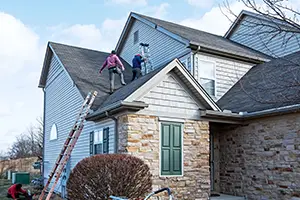
Maintenance is perhaps one of the largest expenses for any association. Everything from cleaning and landscaping to pest control and snow removal can fall under this category. When vendors raise their prices, associations must respond by raising dues.
2. Higher Insurance Premiums
Insurance premiums may increase due to higher construction costs, rising claims, or severe weather events. Associations may also need additional coverage or higher limits. All of these things can result in an increase in dues.
3. Underfunded Reserves
An association may raise its regular fees to build up its reserve fund. If the reserve study shows that the HOA’s savings aren’t enough, the board will have to make up for it by adjusting contributions.
4. Major Repairs
Sometimes, an association needs to collect additional dues to cover a major repair. Perhaps a roof collapsed due to a weather event, or the pool equipment failed. If insurance or reserves can’t cover the costs, the board needs to take it from the operating budget.
5. New Capital Projects or Improvements
A new amenity or a major renovation can also lead to higher dues. While often classified as non-urgent spending, these projects can enhance curb appeal, improve property values, and attract more buyers. Of course, they also need funding, which usually comes from dues.
6. Inflation
Inflation plays a significant role in calculating HOA dues. Even when the association’s services don’t change, inflation can increase its operating expenses.
7. Higher Utility Costs
Associations that pay for electricity, water, and gas might see significant increases when utility rates rise. This is particularly true for condominiums, where the association might pay for utilities for common areas or even for portions of individual units.
8. Increased Professional Fees
Many associations rely on accountants, engineers, lawyers, and HOA managers — and professional services don’t come free. When their rates rise, so do HOA dues.
9. Higher Delinquency Rates
A high delinquency rate means many homeowners are behind on their dues. When the association doesn’t collect enough revenue, its expenses can seem that much more inflated. As a result, the HOA raises dues or levies special assessments to cover the shortfall.
10. Deferred Maintenance
Delaying maintenance to keep dues seemingly low might win the popular vote, but it damages the association in the long run. Without regular maintenance, common elements and components will break down more quickly, resulting in costly repairs. These repairs, of course, are covered by HOA dues.
11. Unexpected Expenses
When unbudgeted costs arise, the association must find the funds to cover them. Oftentimes, this means tapping into a contingency fund or raising dues.
12. New Regulatory Requirements
Changes in federal or state laws can introduce more stringent requirements for associations, such as higher reserve contributions or stricter building codes. To comply with these standards, HOAs must increase dues to cover the related costs.
13. Aging Infrastructure
Older communities typically charge higher fees due to greater demand. These neighborhoods face aging infrastructure, outdated amenities, and equipment breakdowns, forcing boards to raise dues to keep up.
How Often Do HOA Fees Increase?
There is no universal schedule for HOA fee increases. An association may raise its dues annually, every few years, or only when the situation calls for it.
Typically, HOA boards review income from dues during the annual budgeting process. The board compares the projected revenue against anticipated expenses. From there, it determines whether current dues are enough to cover costs.
Fees tend to increase more frequently when an association faces rapidly rising costs, major repairs, inadequate reserves, or significant insurance premiums. That said, if expenses and reserves remain healthy, the board may not need to raise dues.
Is There a Limit to HOA Dues Increases?
Limitations on fee increases will depend on state laws and the governing documents. Some have percentage caps, while others require associations to seek membership approval for increases over a certain amount.
In Illinois, condominiums are subject to a similar statute. According to 765 ILCS 605/18, owners can challenge the board if the proposed budget would cause the total regular and special assessments in the fiscal year to exceed 115% of the total of the preceding year.
Now, this doesn’t necessarily mean that there’s a cap for Illinois condo associations. It merely gives owners a process by which they may attempt to reject the proposed budget. Under Illinois law, 20% of voting owners must petition the board within 21 days of the action to call a meeting at which they can vote to reject the proposal.
Is There a Way to get HOA Fees Lowered?
In general, homeowners can’t just demand that the HOA lower its fees. Associations have the authority to impose dues based on their financial needs and governing documents.
That said, owners can certainly challenge the board’s decision. As explained in the previous section, some states allow owners to vote against the proposed budget if they meet certain requirements and follow specific procedures.
Of course, simply challenging the budget without understanding it can be detrimental to the association’s fiscal health. Sometimes, dues are high for a reason. Expenses may be rising, economic changes may inflate costs, or reserves may be underfunded.
On the board’s part, it is important to look for alternatives when dues are getting too expensive. Owners are more likely to default on their dues if they can no longer afford to pay.
Here are some practical tips that boards can adopt to lower fees without compromising the community:
- Review the association’s budget and identify areas where costs might be reduced.
- Ask vendors to renegotiate contracts and look for opportunities for savings.
- Delay or eliminate unnecessary spending.
- Implement better preventive maintenance to avoid major repairs in the future.
- Reevaluate the association’s insurance policies to reduce premiums.
Owners can take a more active role in the budget process by attending meetings, requesting to inspect records, and even running for a position on the board themselves.
FAQs
Will HOA Fees ever go down?
Yes, HOA fees can go down, but it is rare. The board may reduce fees when the association’s expenses decline or the economy improves. That said, most communities simply keep dues at a steady rate rather than lowering them.
Do HOA fees ever stop going up?
Yes, associations don’t have to keep raising dues when it’s not necessary. If the association’s income is sufficient to cover its projected expenses, the board might keep dues at the same level. Of course, this doesn’t mean that dues won’t ever go up again.
Do HOA fees go up every year?
There is no general rule that requires HOA fees to increase every year. Fees generally go up if the association’s financial needs warrant it. Boards determine how much they need to collect in owner dues by preparing an annual budget with anticipated expenses.
Does HOA ever go down?
Yes, an HOA can lower its regular dues when its financial circumstances allow it. For example, if the board renegotiates a lower vendor price, eliminates unnecessary spending, or fully pays off a debt, it may reduce fees.
It is highly dependent on the community’s financial situation. That said, other factors can also influence the rate. Associations in wealthier neighborhoods, such as Naperville, often have higher dues due to their more exclusive status and the associated costs.
Do HOA Fees Ever Go Down? Answered!
While some buyers view HOA fees as a disadvantage, in truth, they keep associations thriving. These fees cover day-to-day and long-term expenses that help maintain curb appeal and enhance property values.
Westward360 is a trusted partner for HOAs and condo associations across the United States. To get started on expert association management, contact us today or request a proposal online!